
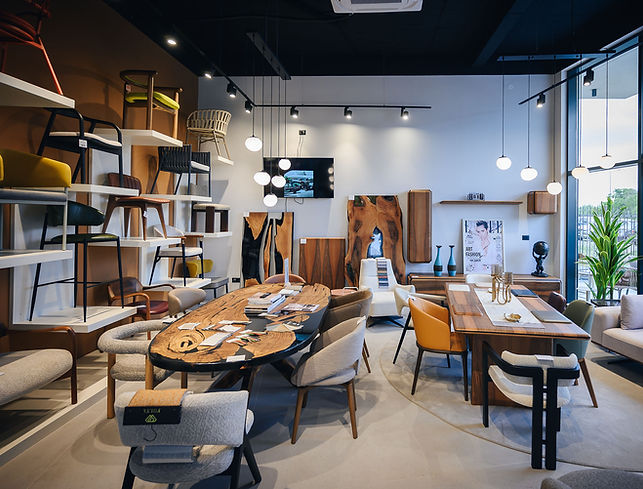


Otel Lobisi Mobilya Tasarımı Nasıl Olmalı?

A guest decides how a hotel feels long before they reach the room. That judgment begins in the lobby - in the first sightline, in the ease of movement, and often in the furniture itself. Otel lobisi mobilya tasarımı is not simply about placing elegant pieces in a large room. It is about shaping arrival, waiting, meeting, and memory in one refined setting.
For hospitality brands that want to feel distinctive, the lobby must do more than look impressive. It should signal confidence without stiffness, comfort without compromise, and style without losing operational logic. The right furniture makes that balance visible.
Why otel lobisi mobilya tasarımı matters so much
A hotel lobby has a rare role. It is both a transition space and a destination. Guests enter with luggage, expectations, and often a degree of fatigue. Some stay for a minute, others for an hour. Some want privacy, others need a place to gather, work, or wait comfortably. This is why furniture selection in a lobby requires more sensitivity than in many other hospitality zones.
When the design is handled well, the space feels intuitive. Seating appears where guests naturally need it. Tables support conversation without crowding circulation. Accent pieces add identity without interrupting flow. Nothing feels accidental.
When it is handled poorly, even an expensive lobby can feel cold, impractical, or visually confused. Oversized sofas may reduce movement. Sculptural chairs may photograph beautifully but discourage real use. A dramatic layout may impress at first glance and still fail the hotel every day.
The lobby is a brand statement
In premium hospitality, furniture is part of the brand language. A boutique hotel may favor softer silhouettes, layered textures, and curated pieces that feel intimate and residential. A business hotel may prefer clearer zoning, more structured seating, and materials that communicate precision and calm. A coastal resort may lean into lighter forms and a more relaxed rhythm.
None of these approaches is automatically better. What matters is alignment. Guests should feel that the furniture belongs to the hotel’s identity, not to a passing trend.
This is where many projects go wrong. They chase a fashionable look instead of asking a more useful question: what should guests feel in this lobby, and how should they move through it? Once that is clear, the design decisions become sharper.
Core principles of successful hotel lobby furniture design
The most convincing lobbies are usually built around three quiet principles: proportion, comfort, and composition.
Proportion creates ease
Lobby furniture must suit both the architecture and the human scale. In a grand double-height space, compact seating can look lost and make the room feel emotionally distant. In a smaller lobby, heavy furniture can create visual pressure and reduce flexibility.
Proportion is not only about size. It is also about spacing. Generous pathways around seating clusters help guests move naturally with luggage, strollers, or service trolleys. In luxury settings, that sense of ease matters as much as the furniture itself.
Comfort should be visible and real
Guests read comfort instantly. Seat depth, back angle, arm height, upholstery texture - these details shape whether a piece invites people in or keeps them at a polite distance. In a lobby, comfort needs to support short stays and longer pauses alike.
That does not mean every seat should be deeply lounge-like. Some chairs should be more upright for check-in waiting or brief meetings, while others can support longer conversation. The strongest schemes usually mix seating postures rather than repeating one type throughout.
Composition gives the room rhythm
A beautiful lobby rarely relies on a single furniture piece. It works because each element contributes to a larger visual rhythm. Sofas, lounge chairs, side tables, benches, and statement pieces should create a composition that feels layered but controlled.
This is especially important in open-plan lobbies where reception, lounge, café, and circulation zones meet. Furniture becomes a subtle architectural tool, defining areas without making the space feel divided.
Materials that elevate the experience
Material choice changes the mood of a lobby immediately. Velvet, bouclé, leather, wood veneer, natural stone, brushed metal, and textured fabrics all carry different associations. In a premium hotel environment, these materials should feel intentional and balanced.
Warm woods and soft textiles can make a large lobby feel more welcoming. Metal accents and stone surfaces add clarity and polish. Leather brings structure and maturity. Bouclé and tactile fabrics soften the atmosphere and create a more residential sense of comfort.
Still, material selection is never only aesthetic. A pale fabric may look serene in a concept presentation but prove demanding in a high-traffic environment. Darker tones can offer practicality, yet too much visual weight may make the room feel formal or closed. The best answer depends on the hotel’s audience, lighting, and daily use patterns.
Layout is where luxury becomes practical
A luxury lobby should not force guests to guess where to sit, where to wait, or where to pause privately. Layout solves that.
In many successful projects, furniture is organized into distinct but connected zones. A central seating area may create a strong visual anchor. Smaller conversation clusters around the perimeter can offer privacy. Occasional seating near reception supports arrival and check-in without turning the desk area into a waiting room. If the lobby includes a café or lounge service, the furniture language should relate to the main space while still signaling a separate function.
The trade-off is between openness and intimacy. Too much openness can feel exposed. Too much segmentation can make the lobby fragmented. The right plan usually includes a clear focal area, then softer secondary moments around it.
What luxury guests expect now
Guest expectations have shifted. The lobby is no longer seen only as an entrance hall. It is often used as a social setting, informal workspace, meeting point, and visual signature for the property. Furniture must respond to that broader role.
This does not mean every lobby should imitate a private club or a co-working space. It means flexibility matters more than it once did. A chair that supports a coffee meeting, a sofa arrangement that encourages conversation, or a table placement that allows a guest to sit comfortably with a laptop can all increase the usefulness of the space without compromising elegance.
The most refined lobbies manage this quietly. They do not advertise functionality. They simply make guests feel well accommodated.
Common mistakes in otel lobisi mobilya tasarımı
One of the most frequent mistakes is designing entirely for first impressions. Statement furniture can be powerful, but when every piece asks for attention, the room loses composure. Luxury is often felt more strongly in restraint than in excess.
Another mistake is ignoring acoustic and visual softness. Hard materials, dramatic scale, and minimal seating can create a lobby that looks prestigious but feels emotionally distant. Furniture should help absorb noise, soften sightlines, and make people want to stay.
A third mistake is overmatching. When every seat, table, and finish follows the same formula, the lobby can feel flat. A more sophisticated approach comes from controlled contrast - perhaps a sculptural accent chair against a calm sofa profile, or a textured upholstery paired with cleaner-lined tables.
A more residential direction, with hospitality discipline
One of the strongest directions in contemporary luxury hospitality is the residential lobby. This does not mean casual or improvised. It means spaces that feel composed, personal, and warmly livable rather than ceremonial.
Residential cues can include layered seating, softer forms, curated tables, and a more intimate palette. Yet a hotel lobby still requires discipline. The furniture must maintain visual order, support circulation, and hold its identity across constant use.
That combination - emotional warmth with professional clarity - is where many of the most memorable hospitality interiors now succeed. It is also where a design-led partner brings real value, because selecting individual pieces is easier than orchestrating a complete atmosphere.
Choosing furniture with a longer view
A lobby renovation or new hotel project should be approached with patience. Good furniture decisions are rarely the result of trend boards alone. They come from understanding the property’s positioning, guest profile, architecture, and service style.
For some hotels, the right answer will be understated contemporary furniture with strong lines and tactile richness. For others, it may be softer, more decorative, and more expressive. Neither is universally correct. The question is always whether the furniture supports the experience the hotel wants to offer.
At its best, otel lobisi mobilya tasarımı creates more than a beautiful room. It gives shape to welcome. It tells guests they have arrived somewhere considered, comfortable, and worth remembering - before a single word is spoken.


Comments